

Dubai’s real estate market is entering an exciting yet complex phase as we approach 2026. With record-breaking residential supply on the horizon, evolving tenant demands, and a diverse investor landscape, deciding where to invest—apartments or villas—has never been more critical.
Apartments remain a popular choice for yield-focused investors, offering relatively lower entry costs and faster liquidity. Meanwhile, villas continue to attract long-term investors seeking scarcity-driven appreciation, stability, and family-oriented tenants.
At BS International Properties, we understand that every investor has unique goals, whether it’s generating immediate rental income, preserving wealth, or capital growth. This comprehensive guide breaks down market trends, risks, opportunities, and key neighborhoods to help you make an informed decision in 2026.
Whether you’re a seasoned investor or exploring Dubai’s property market for the first time, this blog will provide clear, actionable insights into choosing the right property type for your portfolio.
1. MARKET CONTEXT & MACRO TRENDS FOR 2026
Supply Surge & Segmentation Risk
- Dubai is expected to add ~182,000 residential units between 2025–2026, with a very uneven split: about 99,700 apartments vs ~15,300 villas in 2026, according to market forecasts.
- That large uptick in supply, especially of apartments, could lead to price stabilization or mild corrections, particularly in midmarket apartment segments.
- Some analysis suggests the “effective” delivered supply may be lower (because of delays), but the risk remains. Dubai Real Estate Analysis
Demand Dynamics & Population Growth
- Dubai’s population is growing strongly, which supports housing demand.
- However, the supply increase may outpace demand in some apartment-heavy submarkets, which could pressure rents and capital values. Dubai Times
- For villas, a more acute supply–demand imbalance persists: villa supply remains relatively constrained, especially in high-end or family-focused neighborhoods.
Price Risk & Correction Potential
- Rating agency Fitch has projected a possible price drop of up to ~15% through 2026 due to the surge in supply.
- This is especially relevant for apartments, which are much more exposed to new supply than villas.
- On the other hand, luxury villa markets (e.g., Palm Jumeirah, Dubai Hills, Emirates Hills) are expected to remain relatively resilient due to scarcity and sustained demand from high-net-worth buyers.
Rental Market Insight
- According to The National, apartment rents have been growing faster than villa rents, but some cooling is expected: “house rents (villas) are expected to cool in 2026” due to affordability ceilings.
- The same report points out that new supply is concentrated in more affordable or mid-tier communities (e.g., JVC, Al Furjan, Dubai South), which could help absorb demand but also cap rental growth.
2. STRENGTHS & RISKS: APARTMENTS VS VILLAS (2026 PERSPECTIVE)
Here’s a side-by-side comparison of the pros and cons of investing in apartments vs villas, specifically in the 2026 market context.
| Factor | Apartments | Villas |
| Supply Risk | High: big supply wave, especially in mid-tier segments. | Lower: relatively fewer new villas, more constrained supply. |
| Price Correction Risk | More exposed: saturation in some apartment-heavy areas could drive down prices. | Less exposed: scarcity in premium segments, especially in prime villa communities. |
| Rental Demand | Strong from professionals, younger expats, but tenant shift toward new “affordable & modern” areas. | Family demand remains robust; villas generate disproportional rental value compared to their transaction volume. |
| Capital Appreciation | Moderate-to-risky: depends heavily on location, brand, and developer. | Good, especially in premium villa enclaves or family-community suburbs. |
| Maintenance & Costs | Generally lower per sq ft; service charges can be significant in high-end towers. | Higher maintenance (landscaping, pool, exterior), but long-term value may justify. |
| Tenant Profile / Vacancy Risk | Higher churn, potentially more vacancy risk in overbuilt areas. | Longer leases, more stable family tenants, but fewer buyers for resale. |
| Liquidity | Generally more liquid (especially in mid-range, popular areas). | Lower liquidity, especially for high-ticket villas; resale takes longer. |
3. STRATEGIC CONSIDERATIONS FOR 2026 INVESTORS

When to Favor Apartments (2026)
- Income-focused strategy: If you’re aiming for rental yield/cash flow in the medium term, apartments in well-located, established or emerging submarkets may still work—especially if you buy carefully (good developer, in-demand area).
- Value play / off-plan: With the supply glut, some off-plan apartment projects (especially by strong developers) could be attractive, but you must run stress tests on rental and exit assumptions.
- Short-to-mid holding period: If you plan to hold for around 3–7 years, an apartment could serve you well — but you should be ready for possible short-term volatility.
When to Favor Villas (2026)
- Long-term capital growth: Villas in scarce, high-demand areas (family communities, ultra-luxury enclaves) may offer more capital appreciation.
- Wealth preservation/legacy asset: For investors looking to park capital or create a legacy asset (or even get a second home), villas may be more compelling.
- Rental value premium: Some villa markets (especially luxury) can command a premium in rent, and families may prefer longer-term leases, giving more stability.
- Scarcity-driven safety: Because villa supply is more constrained relative to demand, the downside risk might be lower in certain villa segments.
4. KEY AREAS TO WATCH (2026)
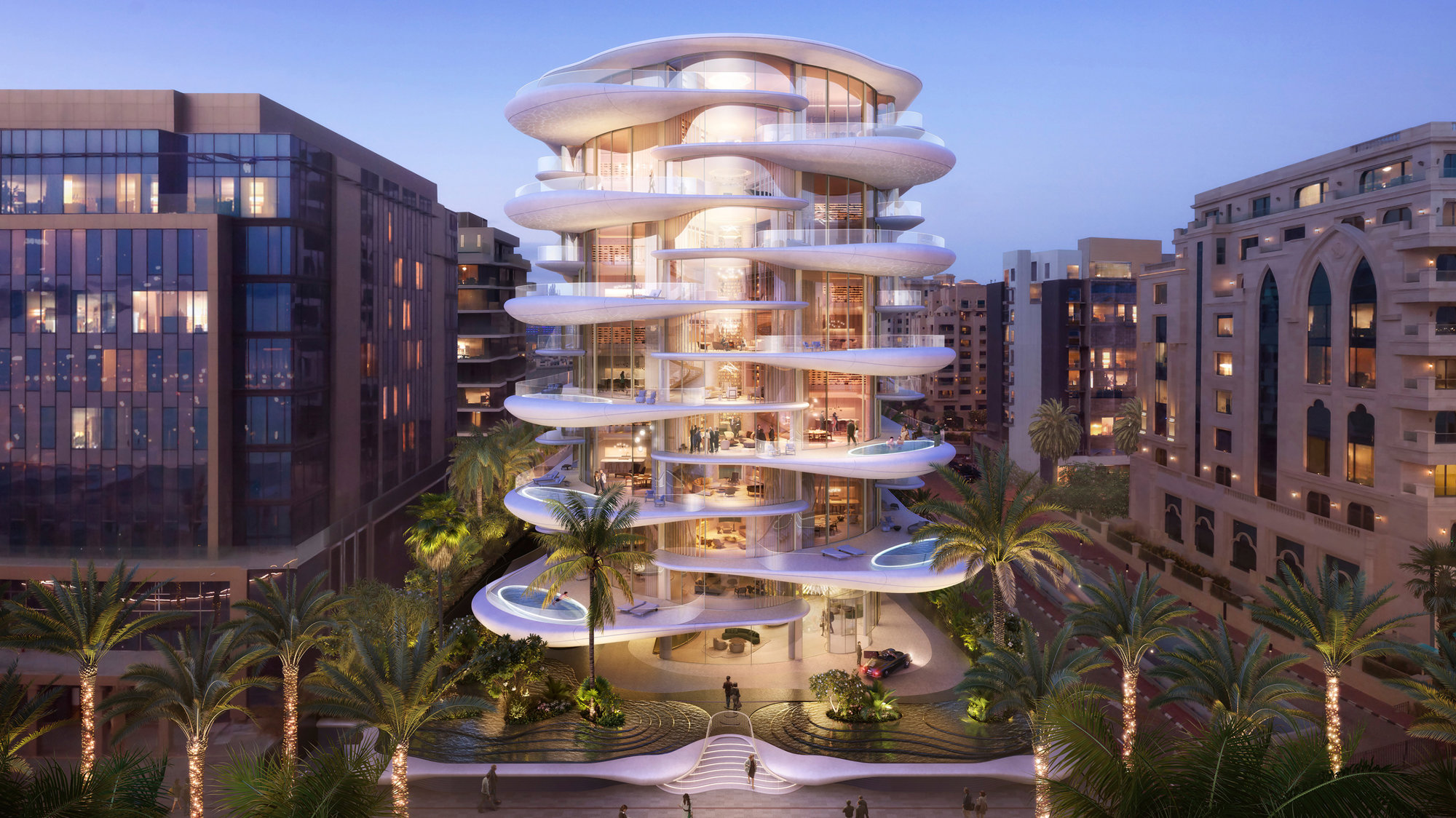
Here are some neighborhoods/submarkets to consider (or watch) for apartments and villas in light of the 2026 market outlook.
Apartments (Potential Investment Areas)
- Jumeirah Village Circle (JVC): Historically strong mid-market demand; new supply is high, so quality and building selection will matter.
- Dubai South / Al Furjan: Emerging areas, more affordable housing, and developer-led communities could absorb part of the supply wave.
- Business Bay, Dubai Marina, Downtown: For more premium apartments, but risk depends on competition, delivery, and buyer/renter mix.
Villas (Potential Investment Areas)
- Dubai Hills Estate / Arabian Ranches / Emirates Hills: Prime family villa communities that benefit from limited land, strong branding, and long-term demand.
- Palm Jumeirah: High-end, limited supply, very desirable for wealthy buyers.
- Damac Lagoons, Damac Hills 2, or similar master-planned communities: According to Q1-Q2 2025 supply data, many villas and townhouses are being delivered in these, but careful due diligence is needed.
5. RISKS & MITIGATION (FOR 2026 AND BEYOND)
- Oversupply risk (especially for apartments):
‒ Mitigation: Focus on submarkets with proven demand, choose developers with strong sales histories, and stress-test for downside rental/price scenarios. - Price correction risk:
‒ Mitigation: Use conservative valuation assumptions, build sensitivity models, and avoid speculative flipping where possible. - Financing risk/interest rates:
‒ Mitigation: Lock financing early, consider fixed-rate mortgages if available, or use more equity to reduce leverage risk. - Longer vacancy risk for villa resale:
‒ Mitigation: Target well-established villa communities, or consider renting out on longer-term leases (families). - High maintenance/service cost for villas:
‒ Mitigation: Budget carefully for ongoing maintenance, insurance, and service charges; and assess expected rental income vs these costs.
6. SCENARIO-BASED STRATEGY (SAMPLE INVESTOR APPROACHES)
Here are a few sample strategies tailored for different investor profiles in 2026:
- Yield-First Investor:
Focus ~70% on mid-tier apartments (JVC, Al Furjan) to generate rental income, with ~30% in a smaller villa within a suburban community for diversification. - Long-Term Growth Investor / Wealth Preserver:
Invest primarily in villas in stable, premium communities (e.g., Dubai Hills or Palm) — hold for 7+ years to ride out cycles and benefit from scarcity. - Balanced Risk Investor:
Split between 50% apartments (from both mid-market and some premium) + 50% villas. Use leverage carefully, but maintain a buffer for potential rental or price dips.
7. My Verdict for 2026
- Apartments: Riskier than they have been in recent years due to the wave of supply, particularly in the mid-market. But smart investors can still make good returns if they pick the right projects and run sound models.
- Villas: Despite being more capital-intensive, villas are potentially a safer long-term play, especially in premium or family-oriented communities, because of constrained supply, relatively stable demand, and scarcity.
- Best bet (for many) in 2026*: A mixed strategy — combining apartments for cash-flow and villas for capital growth — is likely the most prudent path for many investors who don’t want to bet everything on a single segment.
CONCLUSION:
Dubai’s 2026 real estate market presents both opportunities and caution. Apartments offer attractive yields but require precision and careful selection due to rising supply. Villas, despite their higher entry cost, remain strong long-term performers driven by scarcity, lifestyle demand, and global investor interest.

At BS International Properties, our expertise lies in guiding investors through these market dynamics, helping you identify the right asset class, location, and developer for your goals. Whether you are a first-time buyer or building a diversified portfolio, we ensure your investments are optimized for resilience, returns, and future value.